
Understanding Clinical Trials
your path to better healthThe path of scientific progress and medical breakthroughs is shaped by participants like you.
What is a Clinical Trial?
A clinical trial tests new medications, treatments, or medical devices in volunteer participants. Before reaching this stage, every treatment undergoes years of laboratory and preclinical testing and must receive FDA authorization.
At CRP, we conduct Phase 2 through Phase 4 trials. Every study is overseen by the FDA, approved by an independent Institutional Review Board, and supervised by our board-certified physicians. Over 500 trials since 1996.
Benefits and Risks
We believe in transparency. Here is what you should know before deciding to participate.
Potential Benefits
- Access to new treatments -- receive investigational medications before they are available to the public.
- Expert medical care at no cost -- all study-related exams, lab work, and medications are provided free of charge.
- Compensation for your time -- most studies pay for each completed visit via a reloadable Visa debit card.
- Free transportation -- qualifying studies include complimentary Lyft rides to and from appointments.
- Contribute to medical progress -- your participation helps develop treatments that may benefit millions of people.
Potential Risks
- Uncertain benefit -- the treatment may not work for you, or you may receive a placebo.
- Possible side effects -- investigational treatments may cause side effects, which are usually mild but can occasionally be serious.
- Time commitment -- some studies require regular visits over weeks or months.
- Additional procedures -- studies may require blood draws, imaging, or other tests beyond your normal care.
You can withdraw from any study at any time, for any reason, with no impact on your regular medical care.
Here's how it works

Find a Trial
Find a trial that you or a loved one wishes to be a part of, via our website or through your physician/nurse practitioner. Sign up with the accompanying form.

Pre-Screening
We conduct a pre-screening call to assess your medical history and eligibility, and schedule an in-person screening appointment.
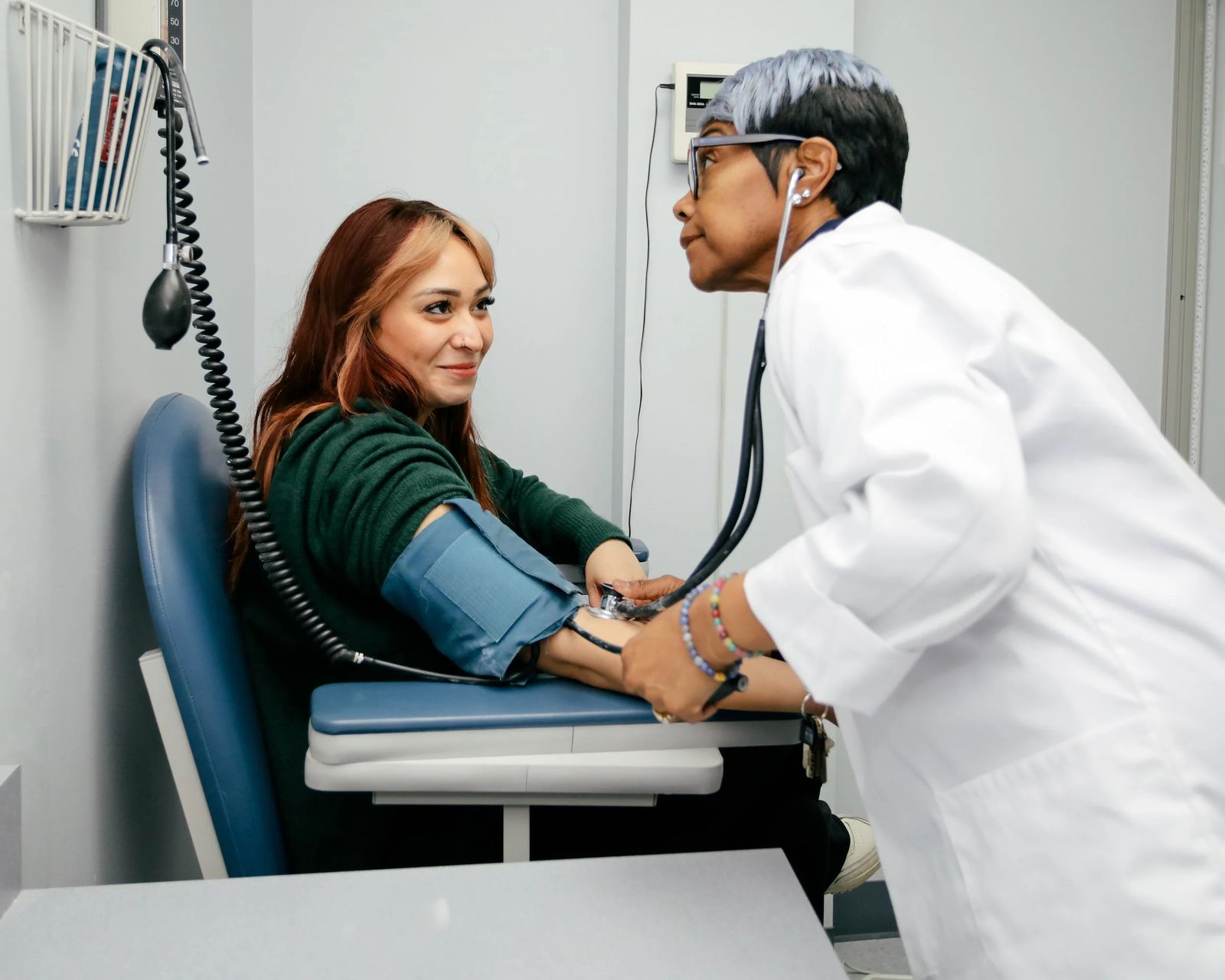
Screening Visit
During the screening appointment, once the informed consent is signed, you may undergo a physical exam and other medical evaluations to determine if you qualify for the trial.

Join the Study
If you qualify, you are enrolled in a study and receive study medications and evaluations. Compensation may be provided after each visit.
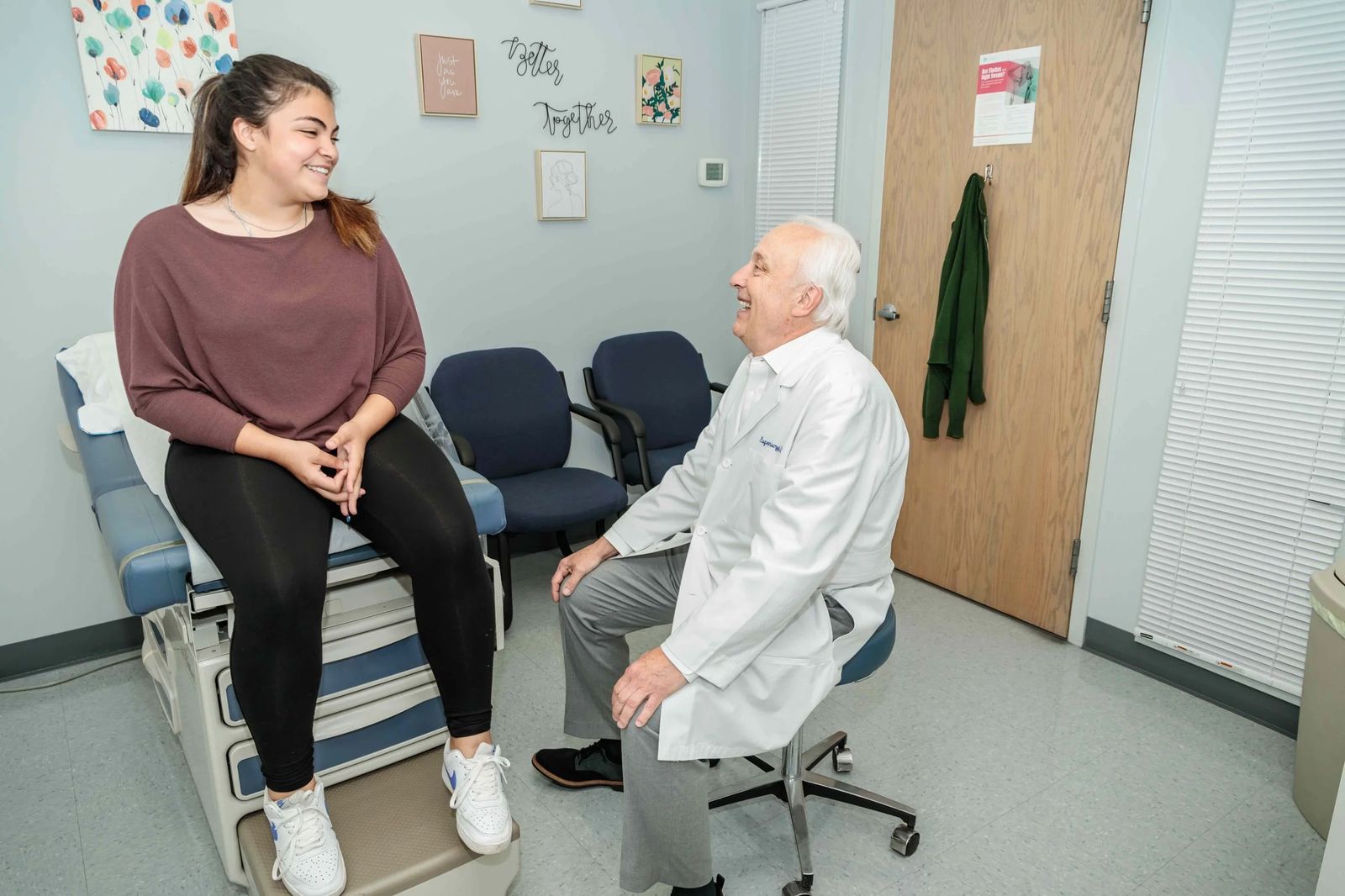
Study Support
We offer support at every step of the process. If requested, CRP sends a follow-up letter to your primary care physician at the end of the study.
What to Expect
Your first visit should be comfortable and stress-free. Here is what you need to know.
What to Bring
- Government-issued photo ID
- List of current medications
- Insurance card (if applicable)
- Any relevant medical records
- Comfortable clothing
During Your Visit
- Review and sign informed consent
- Medical history and physical exam
- Blood draws and lab work (if required)
- Meet your coordinator and study physician
- Ask any questions you may have
Visit Details
- Screening visits typically last 2-4 hours
- Follow-up visits are usually 1-2 hours
- Free parking available at both locations
- Some studies require fasting beforehand
- Your coordinator will confirm preparation needed
Compensation and Transportation
Study Compensation
Most CRP studies offer compensation for your time and travel. Payment is provided after each completed visit via a reloadable Visa debit card.
- Compensation varies by study complexity and visit duration
- Payment is issued after each completed visit
- Delivered via a reloadable Visa debit card
- Ask about specific compensation during your first call
Free Transportation
Getting to your visits should never be a barrier. CRP provides complimentary rideshare transportation for qualifying studies.
- Free Lyft rides to and from your appointments
- Available for qualifying studies at both locations
- Rides are scheduled by your coordinator
- No cost to you, no reimbursement paperwork
Both locations offer ample free parking for participants who prefer to drive.
Each study has specific eligibility criteria based on age, medical history, current medications, and the condition being studied. Some studies are open to healthy volunteers, while others require a specific diagnosis such as Type 2 diabetes, high cholesterol, or eczema.
The best way to find out if you qualify is to browse our active studies or call us at (215) 676-6696. Our team will walk you through the screening process over the phone before you ever come in for a visit.
Your safety is our top priority. Every clinical trial at CRP is:
- FDA regulated -- all investigational treatments must receive FDA authorization before being studied in humans.
- IRB approved -- an independent Institutional Review Board reviews every study protocol to protect participant rights.
- Physician supervised -- board-certified investigators monitor your health at every visit.
That said, investigational treatments may have unknown side effects, and there is no guarantee the treatment will work for you. The informed consent process ensures you fully understand the potential risks and benefits before you decide to participate. You can withdraw from any study at any time for any reason.
Before your first visit, our team conducts a pre-screening phone call to review your medical history and confirm you may be eligible. If you are a potential fit, we schedule a screening visit at our facility.
During the screening visit, you will:
- Review and sign the informed consent document
- Complete a physical exam and medical evaluation
- Provide blood samples and lab work (if required by the study)
- Meet your study coordinator and physician
Screening visits typically take 2-4 hours. Follow-up visits are usually 1-2 hours.
Yes. Most CRP studies offer compensation for your time and travel. Payment is provided after each completed visit via a reloadable Visa debit card.
The amount varies by study and depends on the complexity of procedures, visit duration, and number of visits required. You can ask about specific compensation during your first phone call with our team.
In addition, all study-related medical care, lab work, and medications are provided at no cost to you.
No. All study-related procedures, lab work, medications, and physician visits are paid for by the study sponsor. Your insurance is not billed for any study-related care. You do not need health insurance to participate in a clinical trial at CRP.