
Understanding Endometriosis: A Comprehensive Guide
What is Endometriosis?
Endometriosis occurs when endometrial-like tissue, which normally lines the inside of the uterus (endometrium), starts growing outside of it. This tissue can be found on the ovaries, fallopian tubes, the outer surface of the uterus, and other organs within the pelvis. During the menstrual cycle, this tissue thickens, breaks down, and bleeds. However, because it's outside the uterus, the blood and tissue have no way to exit the body. This causes inflammation, pain, and the formation of scar tissue.
Symptoms of Endometriosis
The symptoms of endometriosis can vary widely, but common ones include:
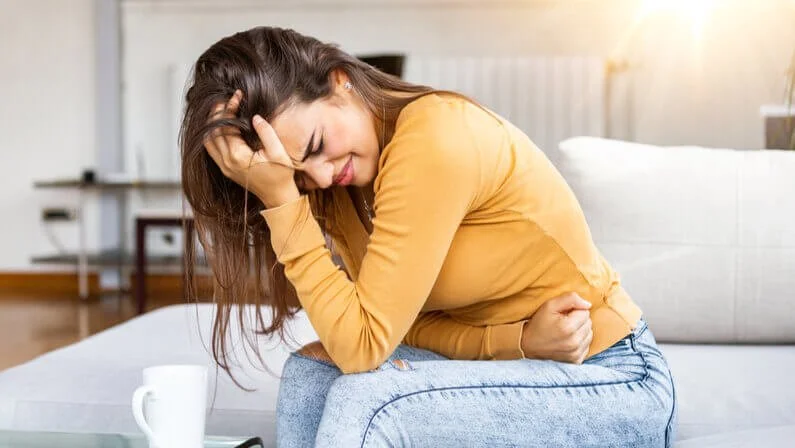
- Pelvic Pain: The most common symptom, often linked to the menstrual cycle, though it can occur at any time.
- Heavy Menstrual Bleeding: Menstrual periods that are heavier than normal or include bleeding between periods.
- Pain During Intercourse: Pain during or after sexual activity.
- Pain with Bowel Movements or Urination: Particularly noticeable during menstrual periods.
- Infertility: Endometriosis can be found in 20-40% of women who are infertile.
- Other Symptoms: Fatigue, diarrhea, constipation, bloating, and nausea are also reported.
It's important to note that the severity of symptoms does not always correlate with the extent of the condition. Some women with severe endometriosis have mild symptoms, while others with a mild form may have severe symptoms.
Causes and Risk Factors
The exact cause of endometriosis is not well understood, but several theories exist:
- Retrograde Menstruation: This theory suggests that menstrual blood flows backward through the fallopian tubes into the pelvic cavity instead of leaving the body.
- Embryonic Cell Transformation: Hormones like estrogen may transform embryonic cells into endometrial-like cell implants.
- Immune System Disorders: Problems with the immune system might make the body incapable of recognizing endometrial-like tissue growing outside the uterus.
Several risk factors may increase the likelihood of developing endometriosis:
- Family History: Having a close relative with endometriosis increases your risk.
- Menstrual History: Short menstrual cycles (less than 27 days), heavy bleeding, or starting menstruation at a young age.
- Never Giving Birth: Women who have never been pregnant seem to be at higher risk.
- Medical Conditions: Disorders that affect the reproductive organs or hormonal levels may play a role.
Diagnosis
Diagnosing endometriosis can be challenging due to its symptom overlap with other conditions. Here's an overview of how it's typically diagnosed:
- Medical History and Symptom Review: Your healthcare provider will ask about your symptoms, menstrual cycle, and any family history of endometriosis.
- Pelvic Exam: During a pelvic exam, the doctor will manually check for abnormalities in the pelvic area.
- Imaging Tests: Ultrasound or MRI scans can help identify cysts associated with endometriosis, though they are not definitive for diagnosis.
- Laparoscopy: The only way to definitively diagnose endometriosis is through laparoscopy, a minimally invasive surgical procedure. A small camera is inserted through a small incision in the abdomen to look for endometrial-like tissue.
Treatment Options
There is currently no cure for endometriosis, but various treatments can help manage symptoms and improve quality of life:
1. Medications
- Pain Relief: Nonsteroidal anti-inflammatory drugs (NSAIDs) like ibuprofen can help relieve pain.
- Hormonal Therapies: Birth control pills, hormone therapy, or progestin-only therapies can help reduce or eliminate menstruation and lessen endometriosis symptoms.
- GnRH Agonists and Antagonists: These medications induce a temporary menopause-like state, reducing estrogen levels and consequently the growth of endometrial-like tissue.
2. Surgery
- Laparoscopic Surgery: This can be used to remove or destroy endometrial-like tissue while preserving the uterus and ovaries. It's often recommended for women who have not responded to other treatments or who wish to become pregnant.
- Hysterectomy: In severe cases, removing the uterus and possibly the ovaries may be considered, especially for women who do not wish to become pregnant.
3. Lifestyle and Home Remedies
- Diet and Exercise: Some women find relief from symptoms by making dietary changes or incorporating regular exercise into their routine.
- Heat Therapy: Applying heat to the lower abdomen can alleviate pain for some individuals.
- Alternative Therapies: Acupuncture, chiropractic care, and herbal remedies may offer additional relief, though more research is needed to confirm their effectiveness.
Coping and Support
Living with endometriosis can be challenging, and it's crucial to seek support and manage stress effectively:
- Support Groups: Joining a support group, either in person or online, can provide emotional support and practical advice from others with similar experiences.
- Counseling: Speaking with a mental health professional can help manage the emotional impact of living with a chronic condition.
- Education: Learning as much as possible about endometriosis helps in making informed decisions about treatment and management.
Conclusion
Endometriosis is a complex and often debilitating condition that can affect many aspects of life. While it presents numerous challenges, advances in research, treatment options, and support systems offer hope and improvement for those affected. If you suspect you have endometriosis or are experiencing symptoms, consult a healthcare provider for an accurate diagnosis and personalized treatment plan. With proper management and support, many women with endometriosis lead full, active lives.