
From Deep Sea to Diabetes Research: How Anglerfish Helped Develop GLP-1 Medications
Nearly forty years ago, medical researchers made a revolutionary discovery in an unexpected place – the pancreas of an anglerfish.
What are GLP-1 medications and how do they work?
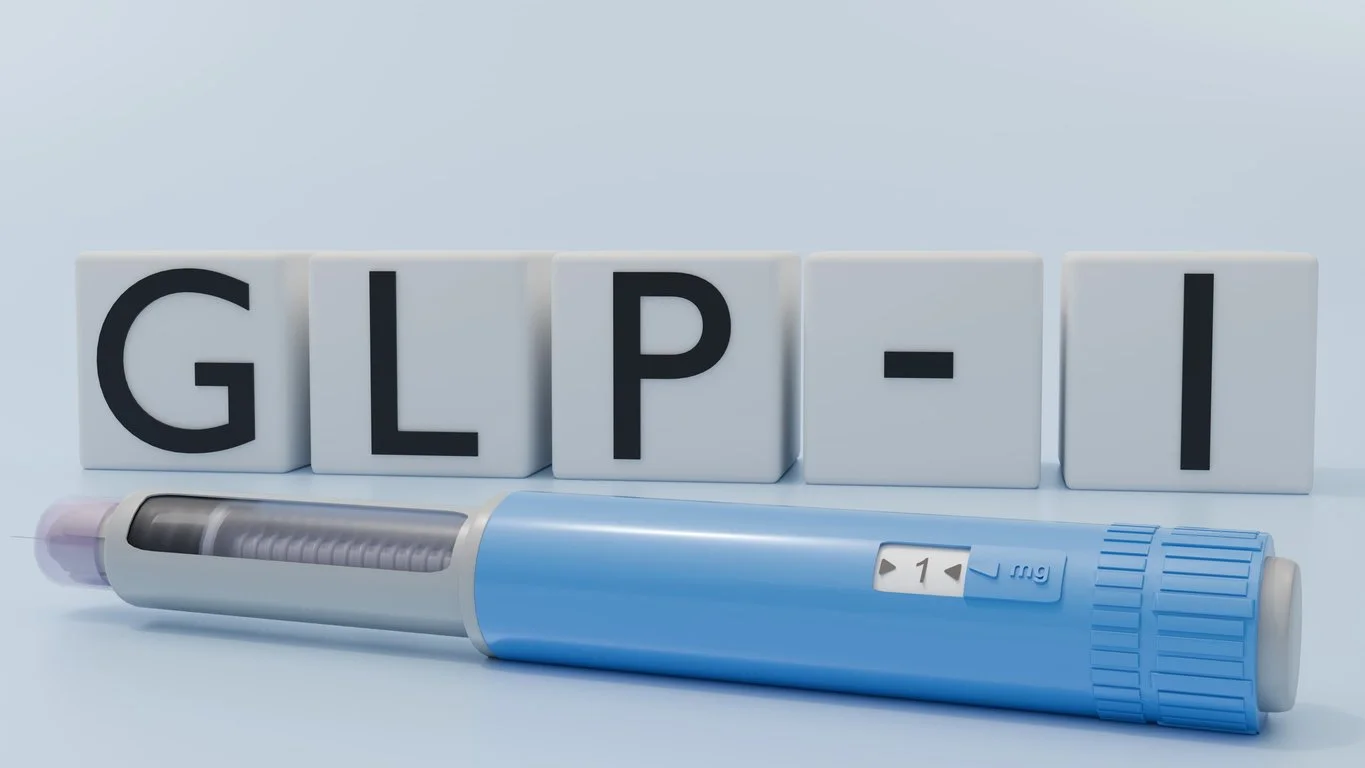
GLP-1 (glucagon-like peptide-1) medications are agonists: substances that combine with a receptor to trigger a response that a naturally-occurring substance would produce. In the case of GLP-1 agonists, they combine with the GLP-1 receptor to mimic the response of the hormone GLP-1.
When GLP-1 attaches to the receptor, it triggers the release of insulin, a hormone that brings blood sugar levels down. It also blocks the release of glucagon, a hormone produced by the pancreas to raise blood sugar levels. Due to its effects on blood sugar, GLP-1 agonists are a widely used treatment for diabetes– and ongoing research is exploring its potential applications for other metabolic diseases.
Go fish!
In late 1979, Joel Habener, an endocrinologist at Massachusetts General Health (MGH), and his team set out to learn about the production of glucagon. To do so, the team decided to use recombinant DNA gene cloning: putting a piece of DNA (genetic material) in the host cells of bacteria to make millions of copies of it. This cloned material can be used to produce the prohormones, or precursor proteins, for hormones like glucagon.
At first, the researchers planned to use this technology on rat pancreases. However, this plan was foiled when the National Institutes of Health (NIH) declared a pause on using warm-blooded animals as they assessed ethics and safety concerns. Now in need of another specimen for their experiments, the idea of using anglerfish was proposed. One researcher had connections to a commercial fisherman that would be willing to provide specimens for research. The anglerfish was appealing for two reasons: 1) they are considered “trash fish”– unwanted by fishermen and consumers alike, and 2) they are cold-blooded creatures, allowing the team to avoid the NIH’s restrictions.
One man’s “trash fish” is another man’s treasure
The so-called “trash fish” proved to be an excellent candidate for the experiment. Researchers found that while the endocrine and exocrine tissues are close together in rat pancreases, they are separate in anglerfish. The key difference between the endocrine and exocrine systems is that endocrine glands release substances, or hormones, into the bloodstream, while exocrine glands release substances like sweat and tears onto the surface of your body. Since the lab was interested in glucagon, it was especially useful that endocrine cells in anglerfish were isolated to a tiny organ called the Brockmann body.
Researchers took the isolated mRNA from cells in the pancreas called islet cells, which was then reverse engineered into DNA for recombinant gene cloning. In doing so, the team made a revolutionary discovery. They were able to clone the genetic material with instructions for how to make a prohormone of glucagon– but more than that, the researchers discovered another glucagon-related peptide in the anglerfish. Future research then found that this peptide is very similar in mammals, resulting in the discovery of what we now know as glucagon-like peptide 1, or GLP-1.
Today, GLP-1s are a commonly used treatment for diabetes, but the anglerfish’s legacy doesn’t end there. Researchers are currently looking into their use in treating conditions like metabolic liver disease, heart and kidney disease, and sleep apnea.
Be like the anglerfish: contribute to GLP-1 research
You may not be a big, scary fish with a glowing lure atop your head– but you too can contribute to revolutionizing the world of GLP-1 medications. At Clinical Research Philadelphia, we are conducting clinical trials to study exciting new treatments that you may be eligible for.
Explore our clinical trials or contact us today to learn more about how you can join a clinical trial and help in the development of medical research.
Sources
Anderson, D., Vitale, G., Pratap, A., & Barr, J. (2025, November 5). Inflection Point: How underappreciated critters inspired GLP-1 drugs. Chemical & Engineering News. https://cen.acs.org/pharmaceuticals/inflection-point-underappreciated-critters-GLP1/103/web/2025/11
Cleveland Clinic. (2022, June 5). Exocrine Glands: Function, Examples & Types. Cleveland Clinic. https://my.clevelandclinic.org/health/body/22947-exocrine-glands
Harwoord, J., Wilkin, D. (2025, November 1). CK12-Foundation. Flexbooks.ck12.org. https://flexbooks.ck12.org/cbook/ck-12-middle-school-life-science-2.0/section/3.17/primary/lesson/recombinant-dna-ms-ls/
Sweet, J. (2025, May 8). How just a fishing expedition helped lead to GLP-1. Harvard Gazette. https://news.harvard.edu/gazette/story/2025/05/how-a-fishing-expedition-helped-lead-to-glp-1/